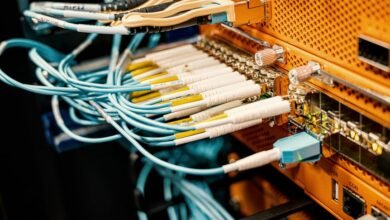
Advanced IT network optimization is crucial for organizations seeking to enhance performance and efficiency. It involves the implementation of sophisticated techniques aimed at improving bandwidth management, reducing congestion, and minimizing latency. By leveraging real-time performance monitoring tools, IT teams can gain insights into network health. This discussion will explore key strategies and tools that not only optimize network operations but also align infrastructure with overarching business objectives. What implications does this have for future network planning?
Key Techniques for Network Optimization
Effective network optimization hinges on several key techniques that enhance performance and reliability.
Bandwidth management is crucial, ensuring that available resources are allocated efficiently to minimize congestion.
Additionally, latency reduction techniques, such as optimized routing and traffic prioritization, contribute significantly to quicker response times.
Together, these strategies create an agile network environment, fostering operational freedom and improving overall user experience without compromising performance.
Essential Tools to Enhance IT Performance
Optimizing IT performance requires a suite of tools designed to monitor, manage, and enhance network operations.
Essential tools include advanced performance monitoring systems that provide real-time insights into network health and efficiency.
Moreover, effective bandwidth management solutions allow organizations to allocate resources dynamically, ensuring optimal performance.
Together, these tools empower IT teams to maximize operational efficiency while maintaining the flexibility needed for evolving demands.
Strategies for Reducing IT Network Costs
Reducing IT network costs necessitates a strategic approach that involves careful assessment and optimization of existing resources.
Implementing cost effective solutions, such as virtualization and cloud services, can significantly lower expenses.
Additionally, effective budget management ensures that expenditures align with organizational priorities, allowing for continuous monitoring and adjustment.
These strategies collectively enhance financial efficiency while maintaining optimal network performance and reliability.
Aligning Network Infrastructure With Business Goals
As organizations strive to achieve their strategic objectives, aligning network infrastructure with business goals becomes essential for driving operational efficiency and enhancing competitiveness.
Effective network alignment fosters business synergy, enabling seamless communication and collaboration across departments.
Conclusion
In conclusion, advanced IT network optimization is crucial for enhancing performance and operational efficiency. Organizations that implement effective bandwidth management and performance monitoring can reduce latency by up to 40%, significantly improving user experience. By aligning network infrastructure with business objectives, companies not only drive collaboration but also position themselves for long-term success. As demands evolve, the adoption of these strategies will ensure organizations remain agile and cost-effective, ultimately leading to sustained competitive advantages in the digital landscape.